
ANNA NEWHOFF
NCR Reporter
Nassau County officials aim to preserve the history of the people and places that make up the county.
In phase two of the Nassau County Historic Resource Survey, consultants Community Planning Collaborative and Stantec are focusing on the historic resources built between 1900 and 1975 in the communities of Evergreen, Kings Ferry, Lessie, O’Neil, Thomas Creek and the William Burgess District. This phase began in February.
During phase one of the survey, which concluded in 2020, buildings constructed before 1975 in areas of Callahan, Boulogne, Bryceville, Nassauville, and portions of U.S. 1, U.S. 17, and State Road 200 were studied.
“There were 556 resources surveyed during phase one which included mostly homes, commercial buildings, and churches. Other examples of historic sites that were surveyed include cemeteries and bridges,” Nassau County Planning Department Planning Technician Mikhael Eyerman said.
So far in phase two, they have surveyed 258 structures, and the report is set to be completed this year.
According to Eyerman, the age threshold is based on guidance from the National Park Service and the Florida Division of Historical Resources and its guide for submitting historic properties to be included in the Florida Master Site File, which is Florida’s official inventory of historic and cultural resources.
The survey doesn’t preserve any buildings. It just provides a record that documents the building’s architectural and historical significance.
“This does not change anything for the people or companies currently using the building,” Eyerman said. “It’s up to the owners of these properties whether they choose to preserve their building, pursue applying to the National Register of Historic Places, or apply for historic tax credits.”
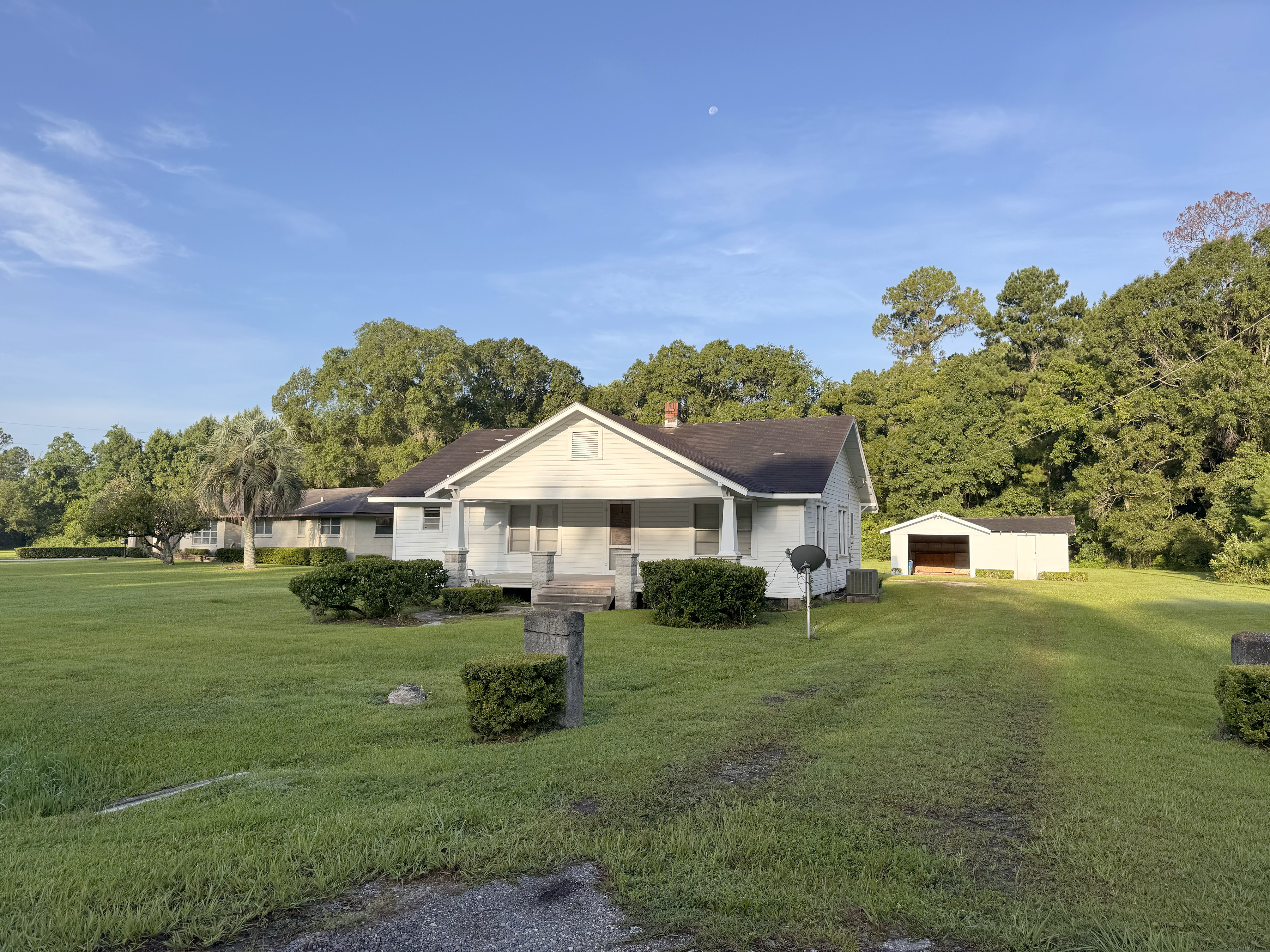
During phase one, several popular architectural styles were identified, including frame vernacular, masonry vernacular, ranch style and mid-century modern.
Eyerman did make it clear that “Stantec’s Architectural Historians photographed historic buildings that could be seen from public rights-of-way. It is important to note that all survey work is done on public property, and the Stantec team did not enter any private property to conduct survey work.”
Stantec compiled its data on potential historic resources in the selected areas utilizing geographic information system software.
Public feedback has guided the consultants. They have drawn on residents’ extensive knowledge of local history.
“Historic resources are not just about architecturally significant buildings, but also social gathering spaces that were important or culturally significant to residents,” Eyerman said. “By engaging with the public, we can gain a better sense of what the citizens of Nassau County feel should be recorded and documented.”
A third phase of the survey may be conducted, depending on how many additional historic sites are identified.
“It helps to know what the community desires to be documented when the time comes to conduct phase three,” Eyerman said.
To provide information about potential historic buildings, email planning@nassaucountyfl.com or call 904-530-6320. To read more about phase one of the survey, visit nassaucountyfl.com/1252/Historic-Resource-Survey.
“Nassau County is one of the oldest counties in Florida, and the history of the region predates the formation of the county,” Eyerman said. “By documenting and recording historic properties within the county, we are bringing awareness to the story of Nassau County and the colorful past which is all around us.”